Everything You Need to Know About Cold Mix Asphalt
Cold Mix Asphalt (CMA) is not just a product; it’s a solution to the perennial problem of road repair and maintenance. With its ability to be applied in a variety of temperatures and climates, CMA has become a favoured material for both quick fixes and lasting repairs. In this article, we’ll explore the in’s and outs of cold mix asphalt, from its composition and benefits to its application and cost.
What is Cold Mix Asphalt?
Cold mix asphalt is a blend of asphalt, aggregates, and unique additives that can be applied at ambient temperatures. Unlike hot mix asphalt, which requires high temperatures for application, CMA is designed to be flexible, durable, and easy to use, making it perfect for a wide range of repairs.
The Composition of Cold Mix Asphalt
The secret to the versatility of cold mix asphalt lies in its composition. It typically consists of:
- Asphalt cement: A sticky, black, and highly viscous liquid or semi-solid form of petroleum.
- Aggregates: Crushed stone, gravel, and sand that provide the structure.
- Additives: Chemicals that help the mix to remain workable at lower temperatures.
Cold Mix Asphalt Applications
CMA is not just for patching up potholes; it has a range of applications including:
- Driveway Repair: Home-owners can use cold mix bags for convenient do-it-yourself driveway repairs.
- Road Maintenance: From small rural roads to busy highways, CMA is an excellent choice for maintaining a smooth driving surface.
- Parking Lots: Commercial properties can benefit from the quick application of CMA for minimal disruption to business operations.
Real-Life Example: Pothole Repair
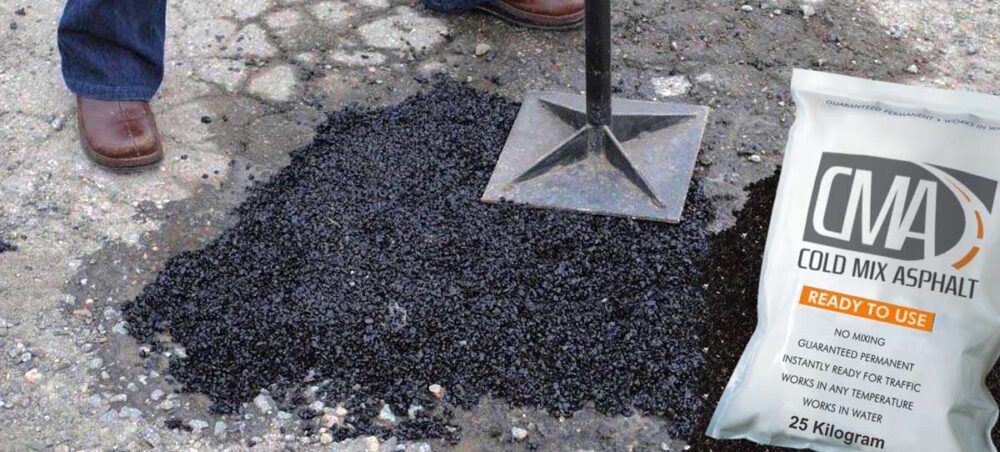
Imagine driving down a road after a heavy rainstorm and hitting a pothole. With CMA, that pothole can be fixed promptly, ensuring a safer drive for everyone. Cold mix asphalt pothole repair is a quick, effective method for fixing these nuisances, especially in areas that experience heavy rain.
How to Apply Cold Mix Asphalt
Applying CMA is straightforward. Here’s a quick guide:
- Clean the Area: Remove debris and loose stones from the area to be repaired.
- Apply the Mix: Fill the hole with CMA, slightly overfilling to allow for compaction.
- Compact the Asphalt: Use a tamper or vehicle to compact the mix into the hole.
Cold Mix Asphalt Price and Cost Considerations
When it comes to cold mix asphalt price, it’s not just about the sticker price. Consider the long-term savings from reduced labour costs and the longevity of the repair.
| Quantity | Price Estimate |
|---|---|
| Cold mix 25kg Bag | R139.00 – R210.00 |
| Bulk Ton | R5 500.00 – R8 700.00 |
Prices can vary based on location and supplier, so it’s always a good idea to check with local cold mix asphalt vendors.
Cold Mix Asphalt vs. Hot Mix Asphalt
The debate between cold mix and hot mix asphalt hinges on two factors: application conditions and project size. While hot mix asphalt is ideal for large-scale construction projects in warm conditions, CMA is the go-to for colder climates and smaller, time-sensitive repairs.
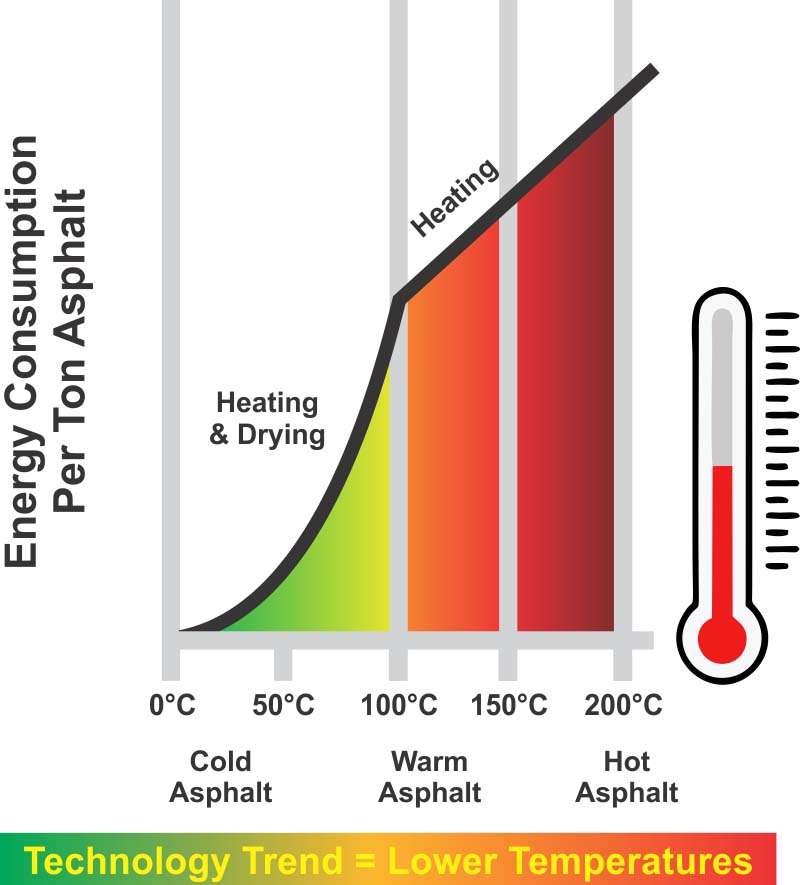
Figure 1: Classification by temperature range
- Cold Mix Asphalt: Made with unheated aggregate and bitumen emulsion or foamed bitumen.
- Half Warm Asphalt: Produced at temperatures between roughly 70 °C and 100 °C.
- Warm Mix Asphalt: Created and mixed at temperatures between about 100 °C and 150 °C.
- Hot Mix Asphalt: Generated and mixed at temperatures typically from 120 °C to 190 °C, with the exact production temperatures depending on the bitumen used.
The adoption of Cold Mix Asphalt, which is mixed and laid at lower temperatures, significantly reduces the emission of fumes and odours, enhancing the working conditions for asphalt laying crews. A general guideline is that fume release is cut by approximately 50% with each 12 °C decrease in mix temperature. This substantial reduction in emissions is a key motivator for the South African asphalt industry’s push towards the use of Cold Mix Asphalt.
Purchasing Cold Mix Asphalt
When you’re ready to buy cold mix asphalt, consider the following:
- Supplier Reputation: Choose a supplier known for quality.
- Delivery Options: Ensure the supplier can deliver to your location.
- Product Range: Look for suppliers that offer a variety of CMA products to suit different needs.
Cold Mix Asphalt in South Africa
In South Africa, the demand for cold mix asphalt has grown due to its adaptability to the region’s diverse climates. From the dry heat of the Karoo to the wet conditions of the Cape, CMA stands up to the challenge.
The Future of Cold Mix Asphalt
Innovation in CMA is ongoing, with new formulas and mixes being developed to enhance performance and environmental sustainability. As technology advances, we can expect to see even more efficient and eco-friendly cold mix products on the market.
Conclusion
Cold mix asphalt is more than just a product; it’s a pivotal resource in the infrastructure toolkit. With its ease of use, cost-effectiveness, and durability, CMA is changing the way we approach road repair and maintenance. Whether you’re a municipal worker, a contractor, or a DIY enthusiast, cold mix asphalt offers a practical solution to common pavement problems.
For more information on products, prices, and applications, visit Cold Mix Asphalt South Africa. If you have any questions or need assistance, our contact page is always open. Check out our FAQs for quick answers to common queries.
Cold mix asphalt is not just a product; it’s a commitment to better roads, and we’re here to deliver that promise.
Your Cold Mix Asphalt Questions Answered
Discover the full potential of Cold Mix Asphalt with our comprehensive FAQ section.
Whether you’re a seasoned contractor or a first-time DIY enthusiast, our Cold Mix Asphalt FAQ section is your one-stop resource for all your queries. We’ve compiled a list of frequently asked questions to help you understand the ins and outs of Cold Mix Asphalt, ensuring you have all the information you need for successful application and maintenance. Dive into our accordion of questions below and click through for detailed answers that will help you make the most of this versatile material for your next project.
What is cold mix asphalt?
Cold mix asphalt is a type of asphalt that can be applied at ambient temperatures and is used for road repairs and maintenance. It is a mixture of asphalt emulsion, aggregates, and additives that can be compacted without heating.
What is the composition of cold mix asphalt?
The composition of cold mix asphalt typically includes asphalt emulsion (a mixture of asphalt cement, water, and an emulsifying agent), aggregates like sand, gravel, and crushed rock, and additives to improve performance and workability.
What are the disadvantages of cold mix asphalt?
Disadvantages of cold mix asphalt include lower durability compared to hot mix asphalt when not properly applied or compacted, potential for raveling, and a generally shorter lifespan under heavy traffic or extreme weather conditions.
How long does cold mix asphalt take to cure?
Cold mix asphalt can take longer to cure than hot mix, with times varying depending on weather conditions, the type of emulsion used, and traffic. It can be ready for traffic immediately after compaction but may take several days to fully set.
What are the advantages of cold mix asphalt?
Advantages include ease of use, no need for heating equipment, application in various weather conditions, and it’s environmentally friendly due to lower production temperatures.
How do you harden cold mix asphalt?
Cold mix asphalt hardens through compaction and evaporation of the water in the emulsion. Over time, the mix cures and hardens as it reacts with the air and the water evaporates.
Can you heat up cold mix asphalt?
Heating cold mix asphalt is not typically done as it is designed to work without the need for high temperatures.
Where can I use cold mix asphalt?
It can be used for road repairs, pothole filling, driveway repairs, and any other surface requiring asphalt repair that does not demand the durability of hot mix asphalt.
Can you make a driveway from cold mix asphalt?
Yes, cold mix asphalt can be used for constructing driveways, especially for low-traffic residential areas.
Which type of bitumen is used for cold mix?
Cold mix uses a liquid bitumen emulsion, which is bitumen suspended in water with an emulsifying agent.
How long does cold tar take to set?
Setting times for cold tar can vary, but it generally takes a few days to fully cure and harden.
How do you soften cold mix asphalt?
Cold mix asphalt is already soft and workable when applied. If it hardens during storage, it can be rejuvenated with an additive or by gentle heating.
How long to wait to seal cold patch asphalt?
It’s best to wait at least 30 days before sealing cold patch asphalt to allow it sufficient time to cure.
What is cold mix asphalt and how does it differ from hot mix asphalt?
Cold mix asphalt is applied at ambient temperatures and contains a different type of bitumen emulsion than hot mix, which requires heating and is used for permanent surfaces.
Can cold mix asphalt be used for permanent repairs?
Yes, when properly applied and maintained, cold mix asphalt can be used for permanent repairs.
How do you apply cold mix asphalt to potholes?
Clean the pothole, remove loose debris, fill with cold mix asphalt, and compact it until level with the road surface.
What are the advantages of using cold mix asphalt for road repairs?
It’s versatile, cost-effective, and can be applied in various weather conditions, making it ideal for emergency and routine road repairs.
Is cold mix asphalt eco-friendly?
Yes, it is considered eco-friendly due to lower production temperatures and reduced emissions.
How long does it take for cold mix asphalt to cure?
Cure times vary, but cold mix asphalt generally takes a few days to cure enough for permanent traffic.
Can cold mix asphalt be used in any weather conditions?
Cold mix asphalt can be applied in a wider range of weather conditions than hot mix asphalt, including cold and wet weather.
What are the best practices for storing cold mix asphalt?
Store it in a dry, cool place and use it within its shelf life to maintain its workability and effectiveness.
How cost-effective is cold mix asphalt compared to other paving materials?
Cold mix asphalt is generally more cost-effective for small repairs due to lower material and labor costs.
Can you drive on cold mix asphalt immediately after application?
Yes, one of the benefits of cold mix asphalt is that it can be driven on immediately after compaction.
What are the limitations of cold mix asphalt?
It may not be as durable as hot mix asphalt for high-traffic areas and can be susceptible to deformation under heavy loads.
How do you prepare the ground before applying cold mix asphalt?
Remove all debris, water, and loose material, and ensure the base is stable before application.
Is cold mix asphalt suitable for high-traffic areas?
It can be used in high-traffic areas but may not perform as well as hot mix asphalt over time.
What types of aggregate are used in cold mix asphalt?
A variety of aggregates can be used, including crushed stone, gravel, and sand.
How does water affect cold mix asphalt?
Water can hinder the curing process but is necessary for the emulsion in cold mix asphalt to break and set.
Can cold mix asphalt be used for full-depth repairs or only for patching?
It is primarily used for patching but can be used for full-depth repairs if designed and applied correctly.
What are the temperature ranges for applying cold mix asphalt?
Cold mix asphalt can be applied at almost any temperature, including below freezing.
How does cold mix asphalt contribute to pavement longevity?
When used for maintenance and timely repairs, it can extend the overall life of the pavement.
Can cold mix asphalt be recycled?
Yes, cold mix asphalt is recyclable, making it an environmentally friendly option.
What are the regulatory standards for cold mix asphalt?
Standards vary by region but typically include specifications for composition, performance, and application.
How do you measure the quality of cold mix asphalt?
Quality is measured by its composition, workability, curing time, and performance under traffic.
Are there any special tools required for applying cold mix asphalt?
Basic tools for application include a shovel, rake, and tamper for compaction.
What safety precautions should be taken when working with cold mix asphalt?
Standard safety precautions include wearing protective clothing, gloves, and eye protection.
How does the performance of cold mix asphalt compare in rural vs. urban settings?
Performance can vary; it may perform better in rural settings with less traffic and slower speeds.
What innovations are there in cold mix asphalt technology?
Innovations include new additives for improved performance, eco-friendly emulsions, and advanced recycling techniques.